
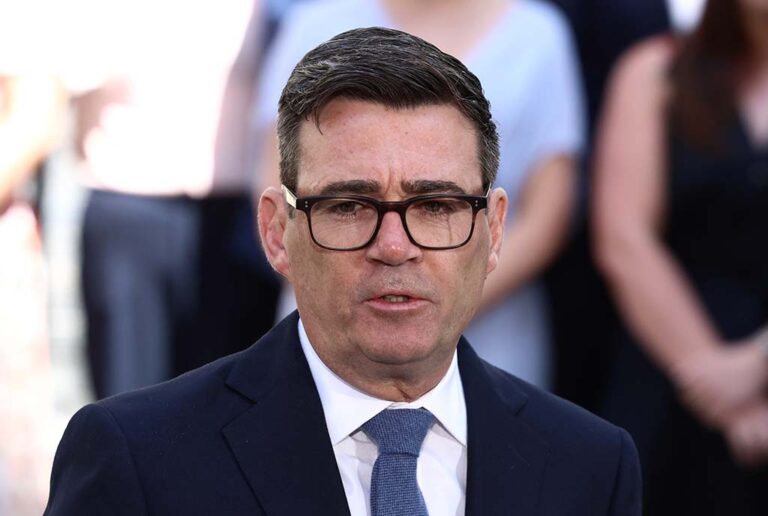
The residential property sector is entering a period of renewed speculation with Andy Burnham becoming Prime Minister.
While it’s still early days, his political record, public statements and initial policy announcements provide some useful clues as to the direction housing policy may take.
For buyers, sellers, landlords and homeowners, the key message is that significant changes are unlikely to happen overnight. Property markets generally respond more to interest rates, employment levels and consumer confidence than political leadership alone. However, government policy can certainly influence longer-term market trends.
Housebuilding
One of the clearest themes emerging from the new administration is a continued emphasis from Keir Starmer’s time on increasing housing supply. The new PM has repeatedly argued that the UK needs a substantial expansion in affordable and council housing.
If that translates into policy, we could see increased public investment in affordable housing, more support for local authorities to build homes and planning reforms designed to accelerate development.
In the longer term, greater housing supply should help improve affordability, although new housing programmes typically take several years before they have a meaningful impact on local markets.
Taxation
Andy has previously questioned whether the current Council Tax system remains fit for purpose and has expressed support for wider reform. He has also discussed replacing Stamp Duty with a different property tax model, including variants of a land value tax, although no formal government proposals have yet been announced. For now, these ideas remain speculative rather than confirmed policy.
If tax reform were introduced, it could potentially reduce moving costs if Stamp Duty were abolished or reduced and therefore influence buying decisions at different price points. Until detailed proposals are published, however, buyers and sellers should avoid making decisions based on speculation.
Regulation
Andy has consistently argued for higher standards within the private rented sector and stronger protections for tenants.
Many of these themes build upon reforms already under way through the Renters’ Rights Act, including improved housing standards and greater security for renters. The new government may seek to accelerate this agenda, alongside consideration of further rent regulation in some areas.
For landlords, this could mean another round of higher compliance requirements, so regulation is definitely an area to keep a close eye on.
Devolution
Andy’s experience as Mayor of Greater Manchester has centred on giving cities and regions greater control over transport, housing and economic development. Similar policies at a national level could stimulate investment in towns and cities across England rather than concentrating growth solely in London.
For regional housing markets such as here in Portsmouth and Southsea, this could prove positive if accompanied by infrastructure investment, better transport links and job creation.
Borrowing costs
While political leadership often attracts headlines, the biggest influence on the housing market remains borrowing costs.
Mortgage affordability shapes demand far more directly than Cabinet appointments in Westminster. Andy’s early economic messaging has emphasised fiscal discipline alongside targeted cost-of-living measures, which has generally been viewed as reassuring by financial markets.
If inflation continues to ease and interest rates gradually fall, buyer confidence may strengthen regardless of wider political changes.
Conversely, if borrowing costs remain elevated, housing activity is likely to remain more subdued.
What should buyers and sellers do?
For most homeowners, very little changes immediately. Property transactions should continue to be based on personal circumstances rather than waiting for potential political reforms that may or may not materialise.
Buyers should continue to focus on affordability, securing competitive mortgage products and choosing the right property for their long-term needs.
Sellers should remain realistic on pricing, recognising that local market conditions remain far more important than national political headlines.
Looking ahead
It is important to distinguish between political ambition and practical implementation. Major housing reforms often require lengthy consultation, legislation and funding before they affect the market in any meaningful way.
For now, the UK residential property market remains primarily driven by interest rates, supply and demand, employment and consumer confidence. Government policy can shape the long-term landscape, but successful buyers, sellers and investors should continue to focus on sound financial planning and informed local market advice rather than reacting to political speculation alone.
If you are a homeowner or a prospective seller, buyer, landlord or tenant and you have a property-related query, contact us on 02392 826731 or visit www.chinneckshaw.co.uk. We’re here to help.