


Category: Lifestyle
From World Cup winner to dog chaser: when Alan Ball met Oscar Chinneck
The World Cup is about more than just football. Anyone who has been to a match in the competition over the years or watched on TV, will recall unforgettable moments, larger-than-life heroes and stories that continue to be shared decades after the final whistle. For me, one of those stories has a surprisingly personal connection through the legendary Alan Ball.
He was just 21 years old when he became the youngest player in England’s World Cup-winning team in 1966. Although Geoff Hurst rightly earned his place in history with his famous hat-trick in the final, many observers regarded Ball as the standout Player of the Match. His relentless energy, determination and fearless style of play embodied everything that made England’s victory so memorable.
Years later, Alan was appointed manager of Portsmouth FC, serving from 1984 until 1989. During his time at the club, Pompey trained at the Moneyfields Sports Ground at the top of Dover Road. While most football fans would associate that ground with training sessions and preparations for league matches, my own memories are tied to something rather more unusual.
At the time, my parents would take their small dog, Oscar, to work with them every day. Oscar spent much of his time sitting in the office window and became something of a local character, affectionately known around the area as Oscar Chinneck. One of the tenants, a lovely elderly gentleman called Jack Toomey, would call in to pay his rent each week before taking Oscar out for a walk. Their favourite destination was often the sports ground nearby.
On one memorable occasion, Oscar spotted the Pompey players training and decided that their football looked like a lot of fun. The little dog charged onto the pitch, chased after the ball and promptly ran off with it. The Portsmouth players, nicknamed the Gremlins, reportedly found the whole incident hilarious. Mr Ball, however, was apparently rather less amused.
Whenever I think about that story, I cannot help but smile at the mental image it creates: the fiery red-headed World Cup winner, whose boundless energy had dazzled the world in 1966, chasing after a mischievous little dog called Oscar Chinneck in an effort to retrieve his football.
For me, that anecdote perfectly captures what the World Cup represents. While the tournament celebrates elite athletes and historic achievements, its real legacy lies in the personal memories and stories that connect generations. Alan Ball’s contribution to England’s greatest football triumph will never be forgotten, but in the Chinneck Shaw memory, his legacy also includes a much smaller chapter involving a runaway football, a determined little dog and a tale that still raises a smile whenever the World Cup comes around.
By Neil Shaw – Managing Director – Chinneck Shaw
Category: Lifestyle

Summer flights grounded? Portsmouth offers a compelling staycation alternative
Aviation headlines about this summer have been hard to ignore, with ongoing concerns about fuel supply disruption leading to flight delays and cancellations. For many would-be holidaymakers, the prospect of a long-awaited getaway falling through is understandably frustrating. But if your summer flight plans are grounded, Portsmouth offers a compelling alternative right on your doorstep.
Staycations have grown in popularity over recent years, and it’s easy to see why. Portsmouth combines coastal charm with rich history, vibrant culture, and excellent amenities—making it an ideal substitute for overseas travel without the stress of airports or uncertainty around departures.
From a leisurely stroll along Southsea seafront to exploring the historic dockyard, home of HMS Victory and the Mary Rose, there’s no shortage of activities to fill your days. Gunwharf Quays provides waterside dining and shopping, while Canoe Lake and Southsea Common offer relaxing green spaces perfect for families and picnics. For those seeking a more active break, paddleboarding, cycling, and coastal walks are all within easy reach.
Beyond the lifestyle appeal, a staycation also presents an opportunity to rediscover the value of living locally. Many visitors who spend extended time in Portsmouth begin to appreciate its strong sense of community, excellent transport links, and variety of property options—from period homes to modern waterfront apartments.
For homeowners considering a move, or buyers who find themselves unexpectedly spending more time in the area, this could be the perfect moment to reassess what you’re looking for in a property. A change in pace often brings fresh perspective.
While a cancelled flight is never ideal, it doesn’t have to mean a lost summer. Portsmouth proves that sometimes the best destinations are closer than you think.
Category: Lifestyle
It’s a question many prospective house and flat sellers will be familiar with: when is the best time to go to market with your property? Well, it won’t come as a major shock, but recent data suggests that the majority of homes in the UK do seem to sell at a much faster pace in that warmer window between March and August.
This is great news for those selling during those months, but perhaps not so great for those looking at the other end of the year. Research by The Advisory involving Rightmove data shows the end of October through to mid-November marks the worst time of year to sell your home.
On average, properties listed in late October, November and December take over 70 days for an offer to be accepted. Properties listed during these months take on average almost 18 days longer to sell, according to data from Homemove. Generally speaking, this results in 35% fewer viewings, with a whopping 72% of buyers choosing to delay until spring comes around.
Naturally, it is believed that these properties take longer to sell because of holiday preparations, school holidays and cold weather, all of which can reduce the number of active buyers.
But that doesn’t mean you can’t remain positive about a winter property sale either. As the market slows down amid the cold crunch, savvy buyers tend to be a lot more motivated to progress their next home move, often wanting to have the process completed before the annual festivities begin.
Furthermore, January and February are often cited as strong times to sell, which makes perfect sense – with high buyer demand and generally fewer homes on the market, your property has a much better chance of standing out amongst the noise, and it could even land a higher selling price.
Ultimately, sellers who are equipped with the knowledge of how cold weather affects the property market are better equipped to offset its negative impact and strategically capitalise on the lack of competition. So, when it comes to viewings, what can you do to make your home feel warm in a time of cold? Here are five recommendations:
Winter warmer: To make your home more attractive in winter, direct your focus to creating a cozy, inviting atmosphere. There are various ways you can choose to go about this, but the single most important element of a winter property viewing is the decision to keep the heating on.
Insulation: Winter can all too easily expose not just the age of a property, but it’s structural weaknesses. Damp, cold and a lack of modern materials can really harm the sales potential of a home, so it is vital that every inch of the house is well insulated. Not just the front room, all of it.
Let there be light: Consider the aesthetic qualities of your home. Practice layering soft throws and blankets on furniture, and open your curtains and blinds fully to truly maximise what available light there is. Arrange your furniture to take advantage of well-lit areas.
Relaxed atmosphere: Of course, this can be difficult with such limited daylight hours, so consider implementing a delicate blend of lamps and candles, as these not only improve visibility, but will make your viewers feel more relaxed in the presence of their potential new home. You could even add seasonal, festive decorations such as branches, berries and pinecones.
Spruce up the garden: As for the exterior, ensure that walkways and paths are unobstructed, free from trip hazards and furniture. After all, it is all too easy for mud, leaves and ice to surround the garden, so consider using additional lighting around the property perimeter. Fairy lights and oil lamps are a strong choice of illumination here.
In conclusion, winter doesn’t have to be a bad time to sell your property. In fact, with these five tips in mind, you can strengthen your home’s appeal and ensure you leave your viewers with a positive impression and, all going well, a strong wish to buy.
If you are looking to sell your home, we can help you through every stage beginning with a detailed expert valuation. For more information on our support for sellers, visit our sell pages.
Category: Lifestyle
By Lizzie Burt, Associate Director at Chinneck Shaw Estate Agents
‘For Sale’ signs are springing up left, right and centre. If you’ve not noticed the increase in signage around your neighbourhood just yet, you soon will. Why? Because the property market is heating up. So, if selling your home has been on your mind, now might just be the perfect time to take the plunge.
So, how do you ensure a quick, successful sale – and maximise your return?The answer is simple, even if it’s a bit old school: staging. The properties that sell fastest and often for the best prices are the ones that were thoughtfully staged beforehand.
Make your home stand out
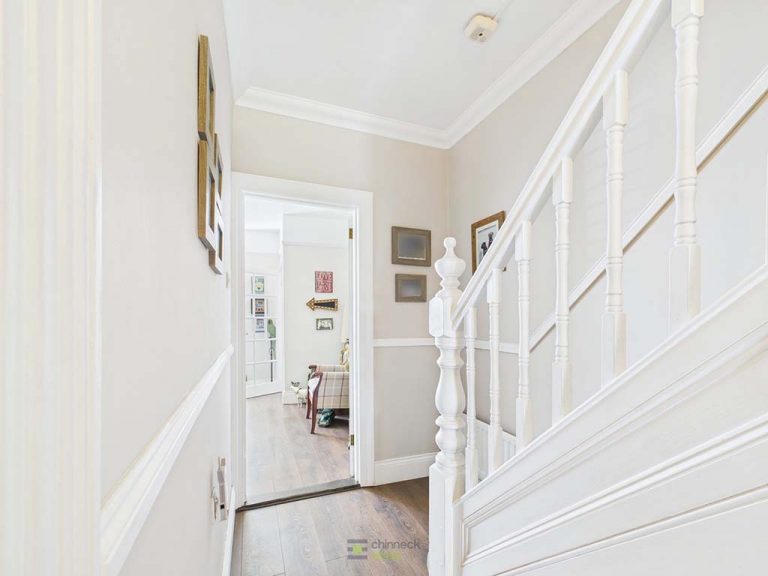
If a successful sale was as easy as listing your home and watching the offers pour in, the housing market would be in a perpetual boom. The reality is, even in a hot market, your home needs to stand out from the crowd.
What’s the grand plan?
The number one rule? Less is more. In other words: declutter. You want potential buyers to see – and imagine – the full potential of the space. A cluttered house can feel smaller, cramped, and distracting. Likewise, too many personal items can prevent viewers from imagining the home as their own.
People aren’t just buying bricks and mortar – they’re buying a future. But you need to give them the blank canvas they’re looking for.
Clean, clean, clean
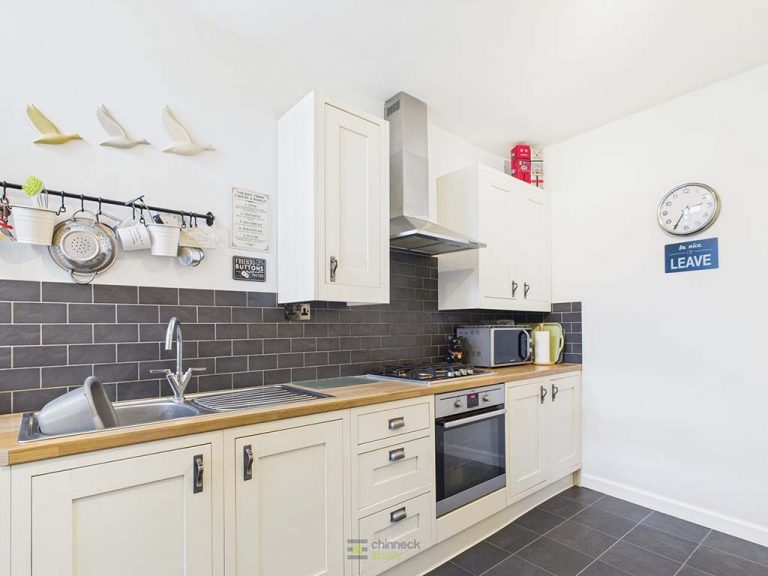
Next on the list: deep clean. Nobody wants to walk into a home that smells musty, looks tired, or has visible grime. It’s an instant turn-off – much like arriving at a hotel room that hasn’t been cleaned. And if people wouldn’t accept that for a short stay, why would they settle for it when considering spending hundreds of thousands on a home?
Buyers want sanctuary. Neutral walls, minimalist décor, and a clean, fresh environment go a long way in creating that.
Create that wow factor
Picture this: A buyer is house-hunting in the ever-popular Southsea, dreaming of the perfect home near the sea. They visit two homes in one afternoon. The first is spotless – bright white walls, not a fingerprint or speck of dust in sight. The shelves are tidy, the furniture is simple and tasteful. The windows are open, letting in fresh spring air. A vase of flowers sits on the coffee table, cushions are plumped, the floor is clear of toys or clutter.
They walk into the kitchen and are greeted by the inviting aroma of fresh coffee. The countertops are gleaming, surfaces minimalist, the floors spotless. The buyer can immediately picture their own belongings in the space and imagine themselves coming home to it after a long day. That emotional connection is powerful.
They might also notice that a few personal photos have been tucked away, and there’s no trace of pets because the family dog is off at a friend’s for the day. Nothing is left to chance. This home has been staged to perfection, and it shows. It’s likely to fetch asking price or more, especially in a competitive market.
Now, imagine the second property. As the buyer approaches, there’s litter on the garden path. They’re met at the door by a large dog bounding towards them. Inside, they have to step over shoes, toys, and are faced with a wall covered in personal photos. The space smells of last night’s dinner, and every surface is cluttered with gadgets and gear.
Suddenly, that buyer’s dream starts to fade. They can’t see themselves living here. All they see is someone else’s life, and a lot of work ahead to make it their own.
The importance of staging your home should never be underestimated. It really is the key to success.
Tips to stage your home to sell:
- Declutter every room. Less is more.
- Depersonalise the space. Remove personal photos and memorabilia.
- Deep clean like a pro. It matters.
- Hide evidence of pets. Even the well-loved dog needs a holiday during viewings.
- Maximise lighting. Turn harsh lighting off. Natural light is your best friend.
- Make the living room inviting. Cushions, throws, and fresh flowers go a long way.
- Showcase the kitchen. Clear countertops, open windows and let those fresh smells in.
- Stick to neutral colours. Let buyers imagine their own colour design.
- Freshen up outside. First impressions count. Always keep the front path clean and inviting.
- Use the power of scent. Fresh air, coffee, or flowers are excellent choices to lift the aroma but it should be subtle and never overpowering.
Thoughtful staging helps your property speak for itself and a well-presented home gives a buyer the chance to picture themselves there. It doesn’t have to cost huge amounts to achieve – with the right touches, your home will be ready to impress.
Category: Lifestyle
If you’ve yet to see the movie Here, starring Tom Hanks, allow me to be a little indulgent and reference its lead character. No, it’s not the acclaimed actor, but rather something close to my heart.
A House.
I mention this because the film beautifully captures how a home serves as a stage for the play of our lives, witnessing generations come and go, each leaving their mark.
This got me thinking. A house is not just a structure; it’s a character in our story. After all, how many of us have revisited the street we grew up on, just to glimpse the house that, in so many ways, shaped us? These buildings are more than bricks and mortar; they are treasured legacies, silent witnesses to the invisible pages in the playbook of our lives.
Are some houses more fitting for this role than others? Are there homes that provide the perfect stage for such a performance? I’d argue that Victorian houses are among the finest contenders.
The timeless elegance of Victorian homes
Imagine capturing a Victorian home in Southsea through the years, like a time capsule unfolding before our eyes. Many of these homes date back to the early days of Queen Victoria’s reign, some built as far back as 1837. They have withstood two World Wars, witnessed advancements in gas and electricity, and adapted to shifting family dynamics – from multi-generational households occupying smaller rooms to modern families favouring open-plan living.
What makes them even more special is their abundance of rooms and inherent flexibility, allowing us to “play house” in ways that evolve with our needs.
The future of Victorian houses
This raises an intriguing question:
What’s next for Victorian houses?
As estate agents, at Chinneck Shaw, one of our greatest joys is uncovering the history embedded within these homes. When we sold a Victorian house to a young couple in Southsea recently, we knew that the journey ahead for them was an adventure waiting to unfold. There’s something magical about peeling back the layers of time – whether it’s uncovering original fireplaces hidden behind 1960s plasterboards or revealing intricate balustrades that had been concealed for decades in the name of modern trends.
Looking ahead, how will these homes continue to evolve? Over the last two decades alone, we’ve seen a shift toward open-plan kitchen-diners, moving away from the traditional separate living and dining rooms. We’ve watched trends come and go – from avocado bathroom suites in the 1970s to the feature walls of the 1990s. Yet, through all these changes, Victorian houses remain the steadfast, sturdy foundations for generations to come.
The characters may change, and the interiors may be redressed, but these homes remain the grand stages upon which life unfolds. Who knows what stories they will host next in 2025 and beyond? One thing is certain – I, for one, am here for it.
Could this Victorian house be part of your next chapter?
A charming Victorian four-bedroom home with a self-contained one-bedroom apartment, offering versatile living in a prime Southsea location. Blending historic charm with modern updates, the property features elegant living spaces, a sunroom opening to a landscaped garden, and a spacious kitchen. Just a short walk from Old Portsmouth and vibrant local amenities, it’s perfect for families or those seeking flexible accommodation.
For more details – Click here >
Category: Lifestyle
By Lizzie Burt, Associate Director at Chinneck Shaw Estate Agents
If you’ve ever stepped into a damp Victorian house and felt an immediate chill – and we’re not talking ghost stories – you’ll know the signs: condensation-covered windows, musty air, and dreaded black mould creeping across the ceilings.
Victorian homes were built with the expectation that a fire would always be burning. This constant heat helped circulate fresh air through the property while keeping the brick and stonework warm and dry. But modern upgrades – like sealing up draughts and removing open fireplaces – have disrupted this natural airflow, often leading to trapped moisture and damp problems.
And it’s not just older properties. Many homes struggle with excess humidity, especially in colder months when the last thing anyone wants to do is open a window. With heating bills on the rise, it’s understandable. However, without proper ventilation, moisture builds up, creating the perfect conditions for mould.
At Chinneck Shaw, we see this time and again in the properties we sell or let. While Southsea is known for its sunny coastal charm, we also experience plenty of damp, chilly weather, making it tempting to keep windows shut tight.
Fortunately, there’s a simple, cost-effective, and environmentally friendly way to manage humidity while enhancing your living space: houseplants.
The power of houseplants
Moisture levels in the home rise due to everyday activities like cooking, drying clothes, and even breathing. Left unchecked, this excess moisture can lead to condensation and, ultimately, mould growth. The good news? Certain houseplants naturally absorb humidity, helping to purify the air and create a healthier living environment.
We did a bit of digging and came across an excellent guide to the best houseplants for reducing condensation, from Ideal Home:
Here are five houseplants they suggest you consider for your home to help reduce condensation:
- Areca palm – according to houseplant experts, this is an ideal plant for preventing condensation and damp.
- Spider plant – one of the best plants for the bedroom and one of the easiest to look after.
- Chinese evergreen – highly effective at reducing humidity levels.
- Peace lily – ideal, moisture-absorbing plants.
- Aloe Vera – popular medicinal plant that can absorb moisture and reduce humidity in your home.
Luckily, Southsea is home to some fantastic independent plant shops where you can pick up these humidity-busting plants. One of our favourites is Grounded in Southsea (104 Marmion Road), where you’ll find a beautiful selection of indoor plants and stylish pots to match.
Another great recommendation, is the lovely, local (online) company, Rose Clover. They are super passionate about beautiful plants and pride themselves on providing expert knowledge to help you feel like an empowered “plant parent.”
You can join their plant gang via their Instagram page @rosecloveruk or buy online – as they deliver all over the UK.
Landlords, take note!
Want to offer an extra perk to your tenants while also protecting your property from damp and mould? Consider providing a few of these houseplants as a thoughtful housewarming gift. A small note explaining how each plant helps regulate moisture could go a long way in encouraging tenants to maintain a fresh and healthy living space, and it could potentially reduce costly maintenance issues down the line.
Selling your home?
The same principle applies when preparing your home for a viewing. Damp is a significant issue that can devalue your property and deter prospective buyers. Displaying carefully placed houseplants throughout your home is a simple, creative, and sustainable way to signal that the house has been well cared for and is less likely to suffer from damp issues.
A home should be as fresh as a daisy!
No one wants to feel trapped in stale, damp air. By introducing these plants into your home, you’re not just adding a touch of greenery, you’re investing in cleaner air, a warmer and drier home, and a fresher, more inviting space.
Category: Lifestyle
Revitalised seafronts: A key to future-proofing your next home
By Lizzie Burt, Associate Director at Chinneck Shaw Estate Agents
As we embrace 2025, the focus on revitalised public spaces and sustainable urban planning is becoming a decisive factor for homebuyers across the UK. Coastal towns and cities, in particular, are leading the way, with innovative seafront regeneration projects transforming communities and boosting property markets. One such example is the stunning transformation of Southsea’s promenade, a case study in how future-proofed spaces can enhance both liveability and property desirability.
The Southsea Success Story
Nestled along the southern coast, Southsea has always been a charming seaside town. But while it may not share the limelight with its larger coastal counterparts like Brighton or Bournemouth, it is now making waves with its newly revitalised seafront. The unveiling of the redesigned Southsea promenade has turned this hidden gem into a model for how urban regeneration can breathe new life into coastal areas.
This redevelopment, a blend of thoughtful engineering and design, has created a space that’s functional, beautiful, and environmentally resilient. The Southsea Coastal Scheme is the UK’s largest local authority-led coastal defences project, worth more than £180M. Stretching 4.5km from Old Portsmouth to Eastney, the scheme will help reduce the risk of flooding to more than 10,000 homes and 700 businesses.
As a result, the promenade has now been dubbed a ‘theatre of the sea’ — a fitting tribute to its role as a centrepiece for the community. Enhancing both accessibility and openness, the redesign also celebrates Southsea’s rich history, with improved views of Southsea Castle and its surroundings.
Why Revitalised Spaces matter to Homebuyers
For buyers in 2025, it’s no longer just about the house itself but the community and amenities that come with it. Future-proofing a property means looking beyond the bricks and mortar to consider how the surrounding area is adapting to challenges such as climate change and urban growth. In coastal towns like Southsea, this means paying attention to sea defences and public space improvements, which not only protect communities but also boost property values.
Take Southsea’s newly introduced ‘Windbreaks’, for example. This sheltered outdoor space that features works from local artists, is as practical as it is visually striking. Such investments in public areas create a ripple effect, attracting people to the area, encouraging tourism, and ultimately driving demand in the housing market.
The Property Market’s Response
The impact of these improvements on Southsea’s property market has been palpable. Homes near the seafront, like a charming three-bedroom townhouse on Burgoyne Road, are in higher demand than ever. Properties like this, which combine proximity to revitalised public spaces with modern amenities, are increasingly sought after. With a communal green, private garage, and an enviable location just steps from the promenade, it’s no surprise that such homes are being snapped up quickly.
What to Look for in 2025
For buyers across the UK, Southsea’s success story offers valuable lessons. Whether you’re eyeing a property in a bustling city or a quiet coastal retreat, consider these key factors when evaluating a potential new home:
- Local regeneration plans: Is the area investing in its future? Projects like seafront revitalisations and public space improvements signal a forward-thinking community.
- Climate resilience: Coastal properties, in particular, should be assessed for their proximity to modern sea defences and flood mitigation efforts.
- Community appeal: Enhancements like Southsea’s ‘Windbreaks’ create a sense of place and belonging, boosting long-term property value.
As urban planning and regeneration continue to shape the property market, 2025 is the perfect year to future-proof your next home. Whether you’re looking for a sea view, a thriving community, or a home that’s built to last, staying informed about local developments is essential.
Category: Lifestyle

How street art is sparking a boom in Portsmouth’s property market
By Lizzie Burt – Associate Director Chinneck Shaw
If you were told that having the side of your house painted by a renowned street artist could increase its value, would you believe it? It might seem like a tough call, with opinions split – some seeing it as a creative masterpiece and others as unwelcome graffiti. Yet, recent property trends suggest that the verdict is in: street art can indeed enhance the value of your home. And nowhere is this more evident than in the vibrant coastal city of Portsmouth, now crowned the UK’s street art capital.
Portsmouth is making headlines not just for its maritime history, but for the colourful murals that have transformed its streets—and, surprisingly, its property market. According to recent research, the city boasts the highest density of street art murals per square mile in the country. This artistic “takeover” is having a significant impact on home values, boosting Portsmouth’s standing in the UK property market.
The power of street art on property prices
It’s no longer just a debate about aesthetics. Homeowners and investors alike are beginning to see the value that street art can bring to an area. A prime example is a property on Eldon Street recently sold by Chinneck Shaw, adorned with a striking street art mural depicting afternoon tea. Properties like these are no longer just homes—they’re conversation pieces that stand out in a competitive market.

Photo by Naomi Lloyd
This surge in street art’s appeal can be traced back to the growing appreciation for artists like Banksy, who transformed street art from a fringe movement into a global phenomenon. In fact, it wasn’t long ago that a couple in Bristol sold their home with a Banksy mural still intact, recognising that the artwork added more value than the bricks and mortar itself. The days of dismissing street art as vandalism are fading fast, especially as more property buyers seek unique and culturally rich environments.
Portsmouth’s artistic renaissance
In Portsmouth, this trend has reached new heights with initiatives like the September “Look Up” campaign, designed to celebrate the city’s street art culture. As you stroll through areas like Southsea, it’s impossible to ignore the murals that have breathed new life into the city’s landscape. Among the most beloved works is “Phone Your Mum” by local artist MyDogSighs, a stunning piece located on Henley Road that has become a neighbourhood landmark.
But it’s not just the art itself that’s drawing attention—it’s the way these murals are transforming perceptions of the city. Buyers are now looking beyond the traditional criteria of property value and considering the cultural and artistic flair of their potential new neighbourhood.
Art meets property
For estate agents in Portsmouth and Southsea, this shift is an exciting development. We’ve seen first-hand how properties with street art can generate increased interest and, in some cases, higher offers. A property with a striking mural, particularly by a recognised artist, can attract a broader range of buyers, especially those seeking something unique.
Street art is no longer just about urban rebellion; it’s becoming a symbol of cultural identity, one that can define a neighbourhood and, in turn, increase the appeal of homes within it. As Portsmouth continues to thrive as a hub for creativity, we anticipate even more properties benefiting from the value-boosting effects of this artistic revolution.
So, if you’re a homeowner in Portsmouth, the question is no longer whether street art is an asset – it’s how you can leverage it to boost your property’s value. The city’s artistic renaissance isn’t just beautifying the streets – it’s changing the face of the property market too.

Category: Lifestyle
How to get your home ready to sell this autumn
By Lizzie Burt – Associate Director Chinneck Shaw
As the school gates open once more after the long summer break, the gates of opportunity for selling your home also return. It’s a fruitful time for sellers, as we know here at Chinneck Shaw from years of experience watching the nights draw in and the calls for viewings come in with a seasonal consistency that brings warmth and excitement for the months ahead. Preparing for this window of opportunity is crucial, both to ensure marketing your property at the right price, and maximising the chance of a sale at this time.
To help you out, we have come up with some top tips for selling houses in autumn:
First impressions count
We all know the expression, “you never get a second chance to create a good impression,” but when it comes to showcasing your home, when does this first occur? The front door? The hallway? The kitchen? It’s actually much earlier than this… as soon as you lead them to step onto your front path. That’s why we cannot stress enough the importance of ensuring you clear away any leaves on the path, trim hedges, and remove any weeds or dead plants from the front garden.
Create calm, warm, and light spaces
As the days get shorter and the weather turns cooler, it’s essential to create an atmosphere that feels both inviting and cosy. Start by decluttering each room, freeing your home from unnecessary items that could distract potential buyers. A neat, organised space allows viewers to focus on the charm and potential of your home without feeling overwhelmed.
Lighting plays a crucial role in setting the right mood. As daylight fades earlier, ensure your home is well-lit for evening viewings. Soft, warm lighting can make all the difference—think table lamps, soft overhead lights, and even candles to create a welcoming glow. This not only highlights your home’s best features but also makes each room feel more homely and comforting. When buyers step into a warm, softly lit space, it helps them imagine it as their own.
Freshen up for autumn
As summer gives way to autumn, a few simple updates can keep your home looking fresh and appealing. Consider giving tired walls a fresh coat of paint in neutral tones that reflect light and create a sense of warmth. Replace any worn-out carpets or flooring that might detract from the overall feel of your home.
Your garden, too, can be a major selling point, even as the leaves begin to fall. Keep your lawn neat, trim back overgrown plants, and add a splash of autumnal colour with seasonal flowers or potted plants. A well-maintained garden, even if it’s small, can make a big impression before buyers even step through the door.
Maximise natural light
Letting in as much natural light as possible is another key to creating a welcoming atmosphere. Clean your windows thoroughly and keep curtains or blinds open during daytime viewings to allow sunlight to flood in. This not only brightens up your home but also makes rooms appear larger and more inviting.
If your home has outside lighting, ensure it’s switched on during evening viewings. A well-lit exterior not only boosts curb appeal but also enhances the feeling of safety and warmth as viewers approach your home.
Welcome your viewers with warmth
Finally, consider the little touches that make a big difference. A fresh doormat, a place for visitors to take off their shoes, and perhaps even offering shoe covers are all small gestures that show you care about their experience. Scented candles or a subtle, welcoming fragrance can add to the homely feel, making your viewers feel comfortable and at ease.
Optimise viewing times
Whenever possible, aim to schedule viewings during daylight hours. However, if evening viewings are necessary, ensure that your home is well-lit, cosy, and warm.
As the evenings get chillier, consider turning on the heating an hour or so before your viewers arrive to ensure they step into a warm and inviting environment. A well-heated home, paired with soft lighting and thoughtful decor, can help potential buyers see themselves living there, especially as the colder months approach.
Remember, while some may think that autumn is a challenging time to sell, history shows that this season is ripe with opportunity. With the right preparation, your home can stand out in the market, attracting buyers who are ready to fall in love at first sight.
Lizzie Burt – Chinneck Shaw

See our Customer Reviews on Google.
Category: Lifestyle
As we head into winter and the temperature drops, many householders will face the annual challenge of how best to keep on top of condensation.
It’s a very common issue and, left unchecked, too much condensation can lead to mould appearing on walls.
That creates potential risks not only for the structural integrity of the property but also for the health of occupants.
Your lifestyle and daily routine can play a large part in the emergence of condensation and mould in a property.
In a property that is generally in good repair, mould will not tend to be an issue of building defects.
Mould is a landlord’s legal responsibility to fix when it is due to problems with rising or penetrating damp as opposed to the lifestyle habits of the tenant. However, in our experience, most landlords and agents are here to help when problems occur and will work to resolve it with a tenant.
In a nutshell, condensation happens when warm wet air meets a cold surface. This could be a window, the corner of a room or an external wall behind a wardrobe or other piece of furniture.
If the moisture becomes trapped for a length of time, an instance of what may be temporary condensation can easily develop into mould. This can be a serious issue as mould contains allergens and toxins which can be harmful for people at risk of lung disease, asthma, eczema, bronchitis or other conditions of low immunity.
How then can you prevent condensation occurring and leading to a mould issue? Here are our top five tips –
- Implement a ventilation routine: It’s best to let moisture escape. Keep air moving freely by opening windows so that you replace ‘wet’ air with ‘dry’. Ensure you are opening windows after showering, cooking and within rooms with washing drying as these will significantly increase the moisture level within a property. Extractor fans and Positive Input Ventilation units can help automate this process.
- Tackle humidity sources: Hang your washing and bathroom towels up to dry outside or in an airy space instead of in a warm room. If you have a tumble dryer, it’s best to vent the used air outside. Beware of steam becoming trapped in a kitchen when cooking or a bathroom after a warm bath or shower.
- Keep temperatures consistent: A home that is routinely warm, as opposed to going from extremes of cold to hot, is better at combating condensation. This is because the walls of the property will not fall in temperature. A consistent temperature will reduce the amount of condensation which occurs.
- Insulation: Double glazing, wall insulation and draught-proofing are all recommended to improve the thermal performance and reduce the cost of heating your home, but if not combined with a ventilation routine, can lock moisture in the home which can result in a greater risk of condensation issues and mould. Given the cost of heating your home has become more expensive in recent years it is understandable that opening windows to ventilate is not high on the agenda. However, the health risks of living in a space with mould can be severe. As such a ventilation routine which focuses on venting the property after significant moisture events and minimises heat loss at times of the day that you will be using your home is of paramount importance. It is about striking the right balance.
- Act straight away: If you do spot mould, clean the affected area carefully with an anti-mould solution. We recommend HG Mould spray which is formulated to kill the bacteria rather than bleach the area. Always use products in accordance with manufacturer instructions.
As in so many aspects of life, early prevention is the key to tackling condensation and preventing mould.
These simple steps should help you keep your property safe and mould-free this winter.
Our highly experienced Lettings and Property Management Team can help you with any questions you may have. Feel free to contact us on 023 9282 6731 or visit our ‘Let’ pages.